
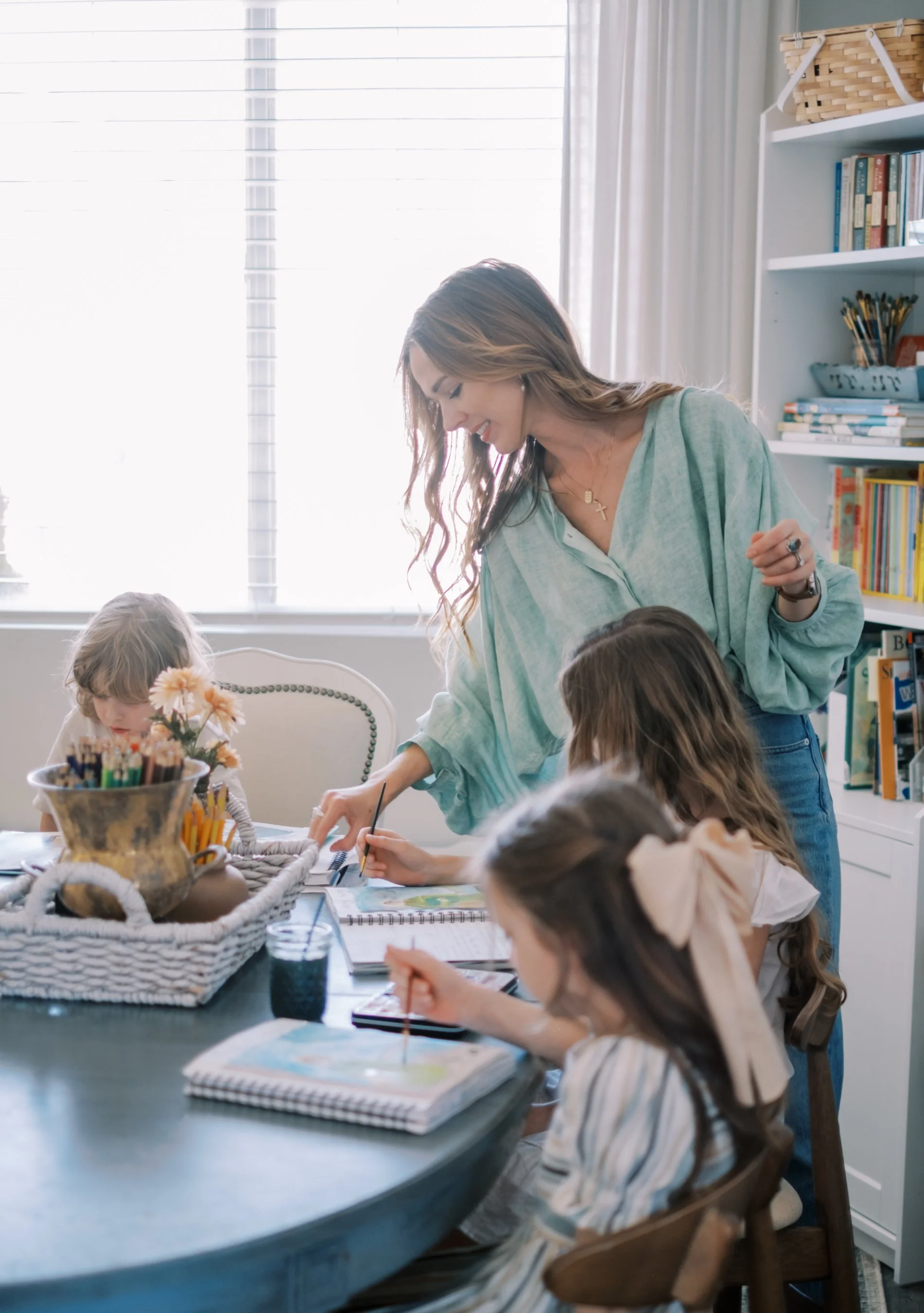
Integrating art and poetry is about making connections more than perfection. When a child sketches a steam engine or copies a stanza about the Industrial Revolution, they aren't just doing schoolwork, but actively processing history through their own hands and mind. If history and science are the "bones" of our studies, art and poetry are the "heart."
The Power of the Poetic Mind
For many, poetry can feel like an acquired taste, or maybe just daunting. But in a living education, poetry is far more than rhythmic lines on a page; it is a vital tool for developing intelligence. Poetry trains the brain to handle metaphor and "shades of gray." By learning to sit with a poem, a child develops the ability to think beyond literal facts, preparing them for the complex nuances of history and science.
Here are suggested ways to integrate poetry:
Reading Aloud: Read the weekly poem aloud over breakfast or tea. You don’t have to go into deep analysis. Reading aloud will build an "ear" for the cadence of the English language. Even if they don’t "get" the meaning immediately, the rhythm is being etched into their minds.
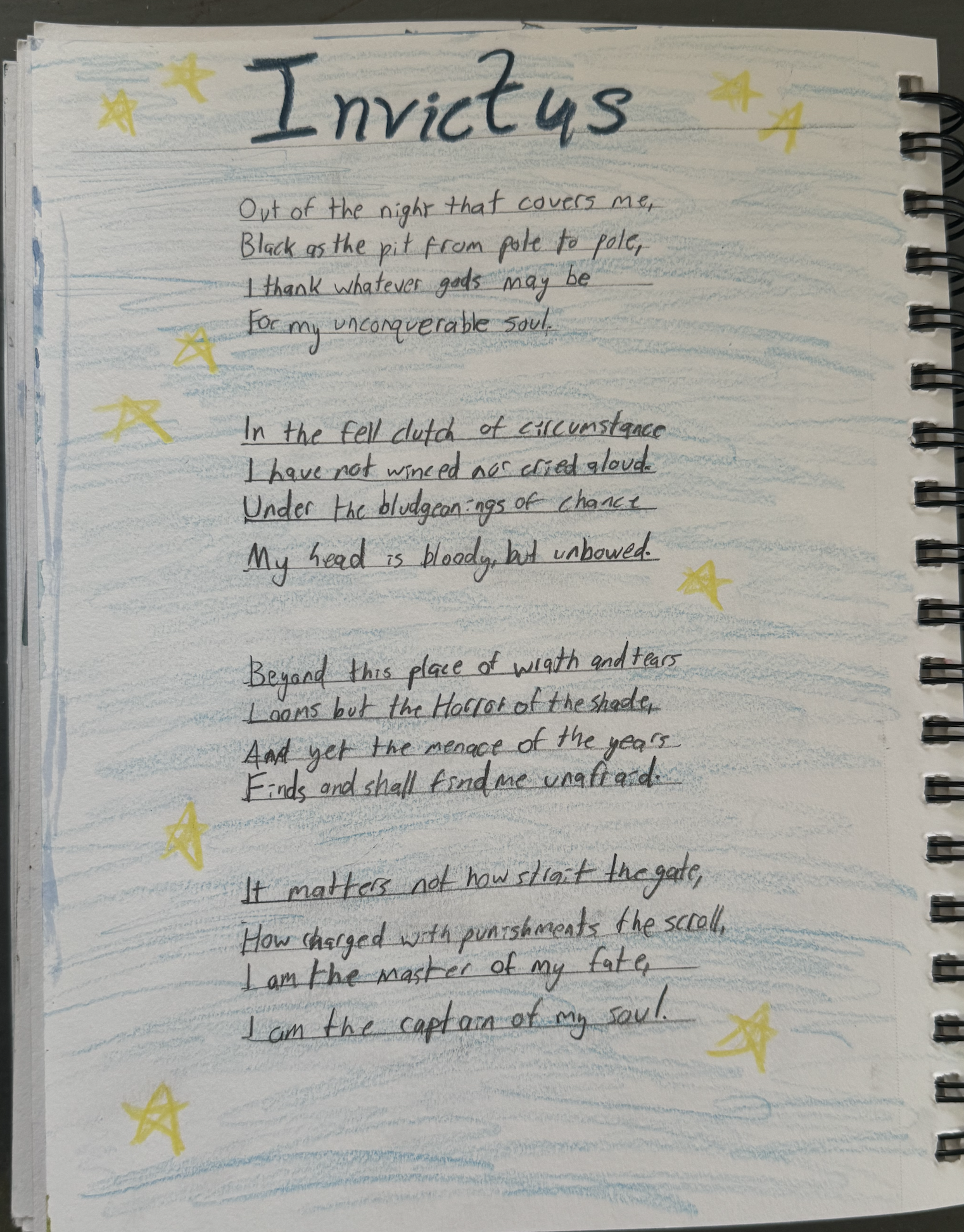
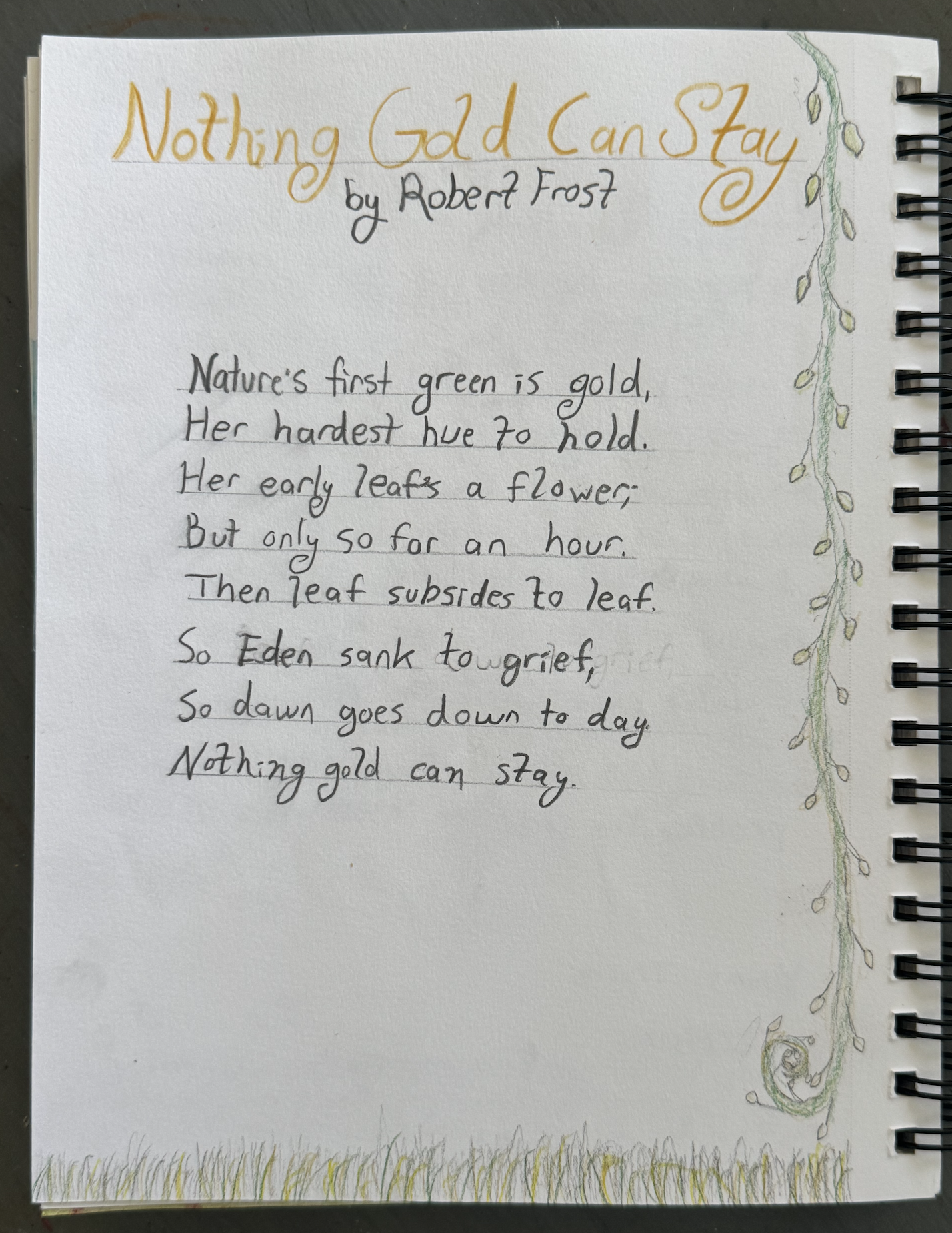
Copywork with Intention: Use the poetry for penmanship. Younger students may copy a single line or stanza. Older students can copy the entire poem. Slow, careful transcription cultivates attention.
Illumination: Encourage students to illuminate their pages. Decorate the first letter, add a simple botanical border, or sketch an image that reflects the poem’s theme.
Memorization: Invite students to choose a favorite poem to memorize for an end-of-year presentation. Work one line at a time, gradually adding length. Memorization strengthens attention, articulation, and confidence.
Art: The Power of Focused Observation
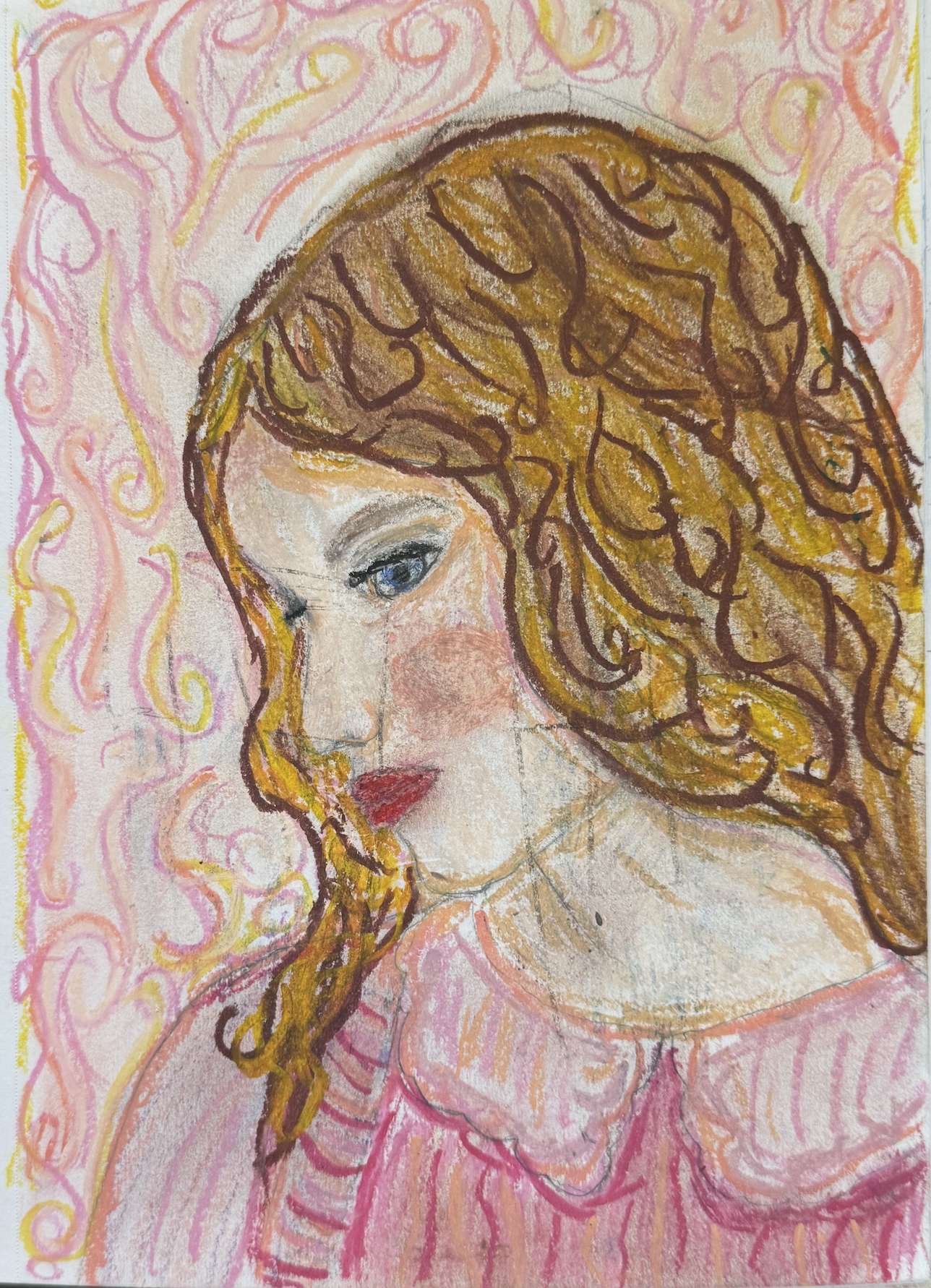
Many parents feel intimidated by "art." The secret is to treat drawing as visual narration. Drawing requires us to look longer and deeper. To sketch a portrait or botanical specimen, a child must notice proportion, light, relationship, and form. This kind of looking develops careful observation, which is the foundation of both scientific and artistic thinking. By pairing a factual narration (Left Brain) with a watercolor or sketch (Right Brain), the student is engaging their entire mind. This layered processing strengthens retention and deepens understanding.
Here are some tips for integrating art in your studies:
Labeling as Learning: Encourage the "Science of Art." If they draw a diagram of a cell or a tall ship, have them label the parts. This merges technical accuracy with artistic expression.
Medium Matters: Give them quality tools. A set of colored pencils, a watercolor palette, oil pastels, and a high-quality charcoal set makes the experience feel "real" and professional.
The "Look-Away" Technique: Have the child look at a historical image included in this curriculum for 30 seconds. Cover it up, then have them draw what they remember. Uncover it, look again, and add details.
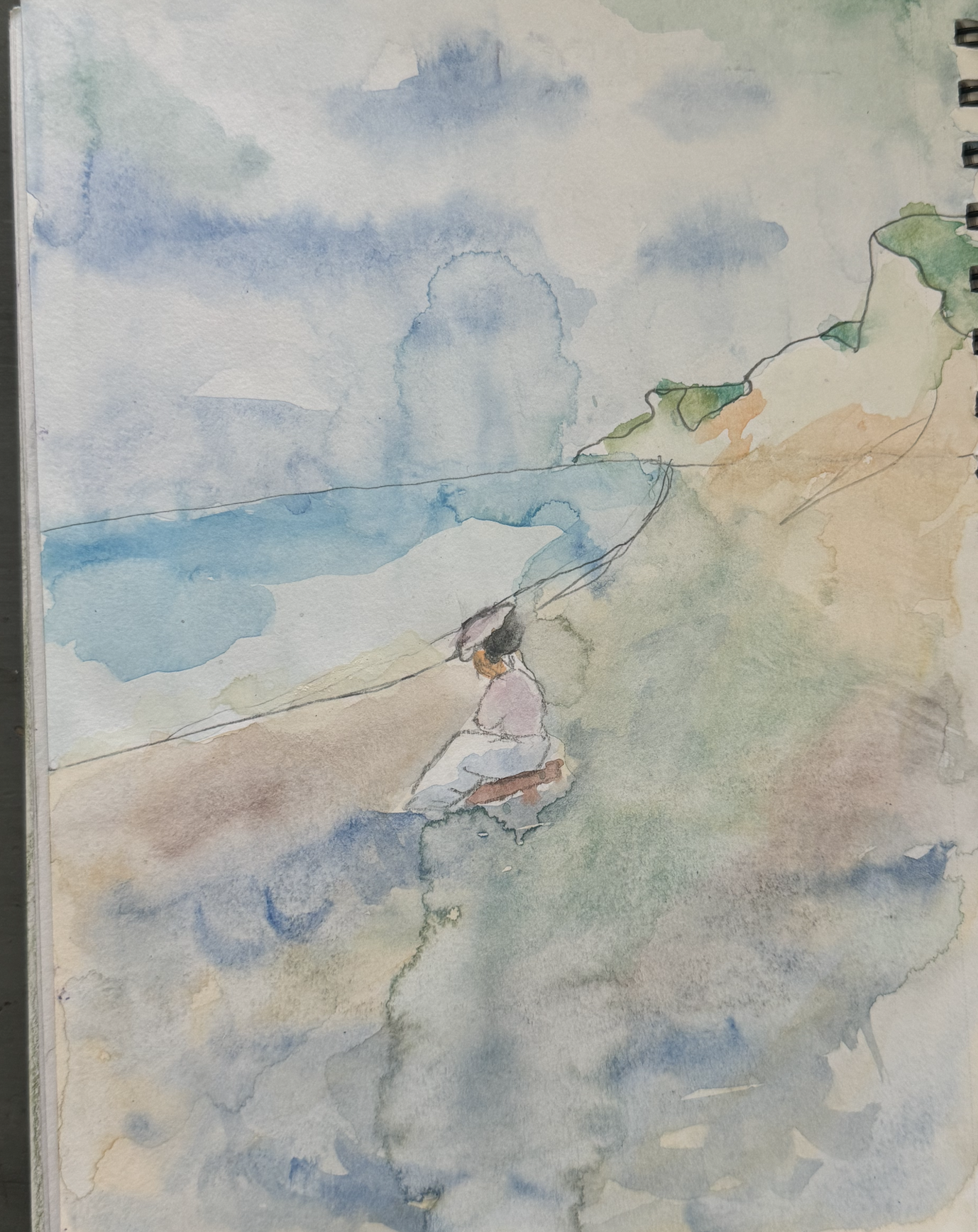
The Watercolor Wash Method: Watercolors are the best friend of a notebooking page because they allow for beautiful results with very little mess. Teach children to lay down a very light, watery "wash" of blue or tan across the page before writing. Once it dries, they can write their narration or poetry over the top for an "antique" feel. Use a fine-tip brush on dry paper to add details on portraits or maps.
Ask Guiding Questions: What shapes do you see? Where are your starting lines? What can you layer next? This will help them see more clearly, both scientifically and artistically.
Quick Tips for the Parent
Don't Correct the Finished Page: Teach while they are working, but once the page is complete, let it stand. The notebook belongs to the child. Let proportions be imperfect. Let colors be bold. The memory made while drawing is more important than anatomical precision.
Display the Work: Place a finished notebook page on a small tabletop easel for the week. It honors their effort and keeps the thread of the lesson visible in your home.